Honeylocust Plant Bugs: How to Identify and Control Damage
Honeylocust plant bugs are common pests that can damage trees by feeding on leaves and buds. If left untreated, they can cause leaf discoloration, twisting, and even twig dieback, especially during early spring growth.
The honeylocust plant bug is a type of true bug with specialized piercing-sucking mouthparts that will feed on the fluid within the plants. This makes them a little more destructive than aphids, as they will also slash the plant cells to get to the fluid. This leads to some of the feeding area to be destroyed by the feeding process.
What Do HoneyLocust Plant Bugs Look Like?
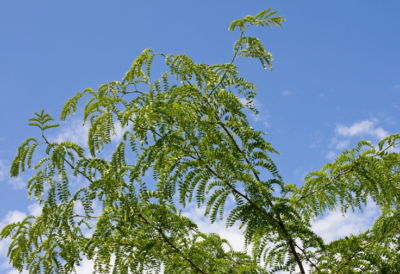
Honeylocust plant bugs are small, and at first, they look a lot like aphids. They tend to be green in color, and they are much more active in the plants than aphids. They also form wings as they grow into adulthood.
They have one generation per year, and they overwinter in the egg stage. The eggs then start to hatch in late April or early May, with the nymphs quickly feeding on the emerging buds and leaves. It takes about a month to reach maturity.
When adults, they will mate and lay their eggs into the wood tissue of the twigs.
What Type of Damage Do Honeylocust Plant Bugs Cause?
The initial problem that these plant bugs cause is that they take nutrients from the tree. This can lead to some damage to the leaves, and they’ll look a little brown or yellow in spots.
The new foliage is affected more as the nymphs feed at such an early point of the rejuvenation process. The leaves can start to become twisted from the lack of nutrients.
There is also the problem of damage to the area around the feeding section. The bugs will slash and puncture the top of the leaves to get to the nutrients, leading to slash damage and twig dieback.
How to Tackle Honeylocust Plant Bugs
It’s important to take care of an bug problem before it becomes an infestation. One of the most effective options is natural. You can hose water on the tree to dislodge the nymphs from the leaves! This is a great way to protect the rest of the tree and not cause problems to other wildlife.
Of course, insecticides and tree spraying can also help. They need to be applied early. These bugs can hatch as early as late April, so it’s best to apply the insecticides early in the spring and then periodically up to mid May to catch any later hatchers.
If your honeylocust trees are showing signs of damage, SprayTech can help identify and treat plant bug infestations early. Our targeted treatments protect your trees during the most vulnerable stages of growth. Call SprayTech at 720-248-0000 to schedule your service.
Frequently Asked Questions
What are honeylocust plant bugs?
Honeylocust plant bugs are small, sap-feeding insects that damage honeylocust trees by piercing leaves and feeding on plant fluids.
When are honeylocust plant bugs most active?
They are most active in early spring, typically from late April through May, when eggs hatch and nymphs begin feeding on new growth.
What damage do honeylocust plant bugs cause?
They cause yellow or brown spotting, leaf curling, distorted growth, and in some cases twig dieback due to their feeding habits.
How do you control honeylocust plant bugs?
Control methods include spraying trees with water to remove nymphs and applying insecticides early in the season before populations increase.
Are honeylocust plant bugs harmful to trees?
Most damage is cosmetic, but heavy infestations can stress trees and affect healthy growth if not managed early.

Comments are closed.