
Pear Slugs
SprayTech offers pear slug spraying and other tree spraying services. (720)248-0000.
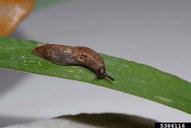
The pear slug can also be called the cherry slug, especially during their larvae stage. They turn into a type of sawfly when they become adults. It’s the larvae stage that
Joseph Berger, Bugwood.org
causes the most of the damage, but you will need to watch out during the pupate stage as well.
Lifecycle of the Pear Slug
The pear slug will usually have two generations. The first will feed in July and tends to be the most active. The second generation comes out in late summer. Over winter, the larvae will pupate underground to remain warm.
The adults will emerge in the late spring. They mate and then lay their eggs, starting the cycle all over again. It takes around three weeks for the larvae to become fully grown, and they will feed on the leaves throughout that time.
You’ll often see the larvae of the pear slug called “cherry slugs.” They have a dark green to orange coloring with a swollen head. They are slimy. When they become adults, they are dark, broad bodied sawflies.
The Damage Pear Slugs Cause
These defoliators stick to cherry, plum, pear, cotoneaster, and hawthorn trees. They like the sweetness that the leaves can produce.
You’ll see the damage happen around the main veins of the leaves, and this is usually on the upper surface. The leaves start to look lacy and skeletonized, which makes it a little easier to tell if you have an infestation.
Handling the Infestation of a Pear Slug
There isn’t much in the way of natural options to kill the pear slug. You will need to turn to insecticides to get the situation under control. The majority of insecticides will work. It’s best to follow the instructions closely on the bottle so that you can take care of an infestation before it kills your trees.
It is important to stay on top of this problem. The damage happens throughout the lifecycle, especially in the earlier stages.
If you need estimate on noxious weed control, ips beetle and deep root watering, call SprayTech (720)248-0000.

Comments are closed.