
Insect Reproduction, Growth, and Development
SprayTech offer tree spraying, weed control on rangeland and pastures. Serving Castle Rock, Larkspur and neighboring areas.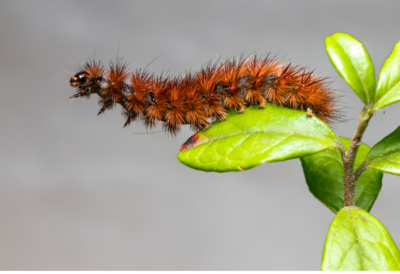
Like all creatures and humans, insects need to reproduce. They also have development lifecycles that are important to understand. We take a look at the different processes and what the development stages look like so you can identify the insects in your own garden.
Insect Reproduction Process
The majority of insects are like humans. There are males and females who will mate and reproduce sexually.
In some cases, there are only females for some or all of the year. The females in these species will reproduce on their own. This is common among aphids.
Whether eggs have been fertilized or not will usually affect whether males or females are hatched. Eggs that have not been fertilized become male, while the fertilized eggs become females.
There is a small number of species where females can only produce other females.
The eggs are laid on or in plant tissue in a lot of cases. They can also be laid on other insects. Some insects lay single eggs, while many others lay a mass of eggs at once.
The Growth and Development of Insects
Insects go through something that is known as metamorphosis. This is their development lifestyle, and there are usually four stages to pass through, known as Complete Metamorphosis. Those four stages are:
1. Egg
2. Larva/nymph
3. Pupa
4. Adult
Insects can go through Simple Metamorphosis. This skips the pupa stage, and is:
1. Egg
2. Nymph 3. Adult
As the eggs develop, the larva or nymph emerges. There is a large growth stage that happens here as the larva grows with molting happening between the stages. This is the only stage of development where growth happens for the majority of insect species.
Nymphs and larvae tend to look a lot like worms. They tend to chew to eat, while adults will suck, and the wings will develop during this stage. However, the wings don’t usually fully appear until the pupal stage.
The Pupa stage is where the insects don’t feed or move much. They are often in a cocoon to protect themselves, and over time, the insect breaks out of the cocoon and flies free. Beetles, moths, butterflies, flies, bees, and lacewings all go through the complete metamorphosis.
When it comes to those going through the simple stage, they skip the cocoon. The adults end up looking very much like the nymphs, with the coloring and size only slightly different. If the insect will have wings, they develop in the nymphal stage and show externally. Grasshoppers and true bugs are the types of insects that go through this stage of development.
The development of all insects is dependent on the temperatures of the environment. There are more generations during hotter months than colder ones.

Comments are closed.