
Call SprayTech for leaf feeding sawflies at (720)248-0000.
A sawfly is a type of non-stinging wasp. When in their larvae form, they look a lot like caterpillars, which makes it difficult to sometimes know what you’re dealing with.
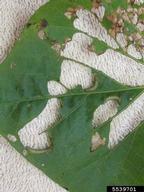
David Stephens, Bugwood.org
However, they aren’t caterpillars when it comes to the lifecycle. They are more like bees and wasps.
Lifecycle of the Leaf Feeding Sawfly
Leaf feeding sawflies will go through complete metamorphosis, which is another reason it is confused so much for a caterpillar. The difference is in terms of looks. They also have six or more pairs of prolegs along their abdomen. Caterpillars will only have two to five pairs.
Sawflies tend to be the first leaf feeders that you see in the spring. They appear toward the end of March and will be around until early May. This is when they will lay their eggs.
There is usually only one generation of sawflies per year.
Damage by Leaf Feeding Sawflies
Sawflies typically go after pines as they prefer the needles. They may go after some other plants, as well. They will eat the leaves during the late spring, before they transform and lay their eggs.
You’ll be able to see damage through the tufted appearance on the needles when they emerge later in the spring and into the summer.
Tackling the Problem of Sawflies
There are fewer natural predators of sawflies than most types of caterpillars. However, the parasitic wasp has become one of the most effective.
Temperature changes can also help. If there is a late spring frost, the young larvae can end up dying from the colder temperatures.
You can also use insecticides to help tackle the situation. This is arguably the most effective, but you need to use them as soon as the infestations are detected. If you wait too long, there are too many to deal with and the damage is also done. Permethrin and carbaryl are the two types of insecticides that you’ll want to look at.
Leaf feeding sawlies spraying. (720)248-0000. Serving Castle Rock, Larkspur, Monument, Franktown, Elizabeth.C