Leaf and Needleminers
SprayTech serves Castle Rock, Larkspur and Franktown for preventive beetle spraying, tree watering and fertilizing.
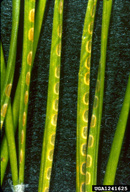
Ladd Livingston, Idaho Department of Lands, Bugwood.org
While a lot of defoliators will cause damage on the outside of the tree, the leaf and needleminers will cause the damage to the inside first. This can make it difficult to tell that you have a problem.
What Are Leaf and Needleminers?
There are a few groups of insects that have developed the ability to tunnel into a tree or shrug. This includes families of moths, beetles, sawflies, and flies. This usually happens at the larvae stage of development.
It does make it harder to tackle the problem. There are times that you’ll need to know the exact type of lead or needleminer that you have.
Spotting the Problem of the Leafminer or Needleminer
The insects will feed on the inside of leaves and needles. They get in through the veins or the outside edges of the leaves, tunneling inside through chewing.
You can usually spot you have one of these problems through the patterns created. For example, the serpentine leaf mines will run like a snake across the leaves, or you may find a blotch of mines that look irregularly rounded.
When the leaves are injured from this, they tend to dry out and die. The creatures are going for the softer interior, and that means the nutrients can’t get to the rest of the leaves.
A Seasonal Problem Rather Than a Long-Term One
You’ll usually find that specialists won’t recommend a treatment against leaf or needleminers. This is simply due to the way the damage occurs. There is no long-term damage to the tree. The insects go after the leaves specifically, which means only one season of foliage is going to be affected.
If you are going to use insecticides, you will need to make sure you use them before the egg laying and hatching process starts. Once the miners have gotten into the leaves, it’s going to be difficult to get the insecticide in the right place. You’ll want to look at using systemic options, such as dimethoate and acephate to get the best chance of dealing with a pest problem.

Comments are closed.